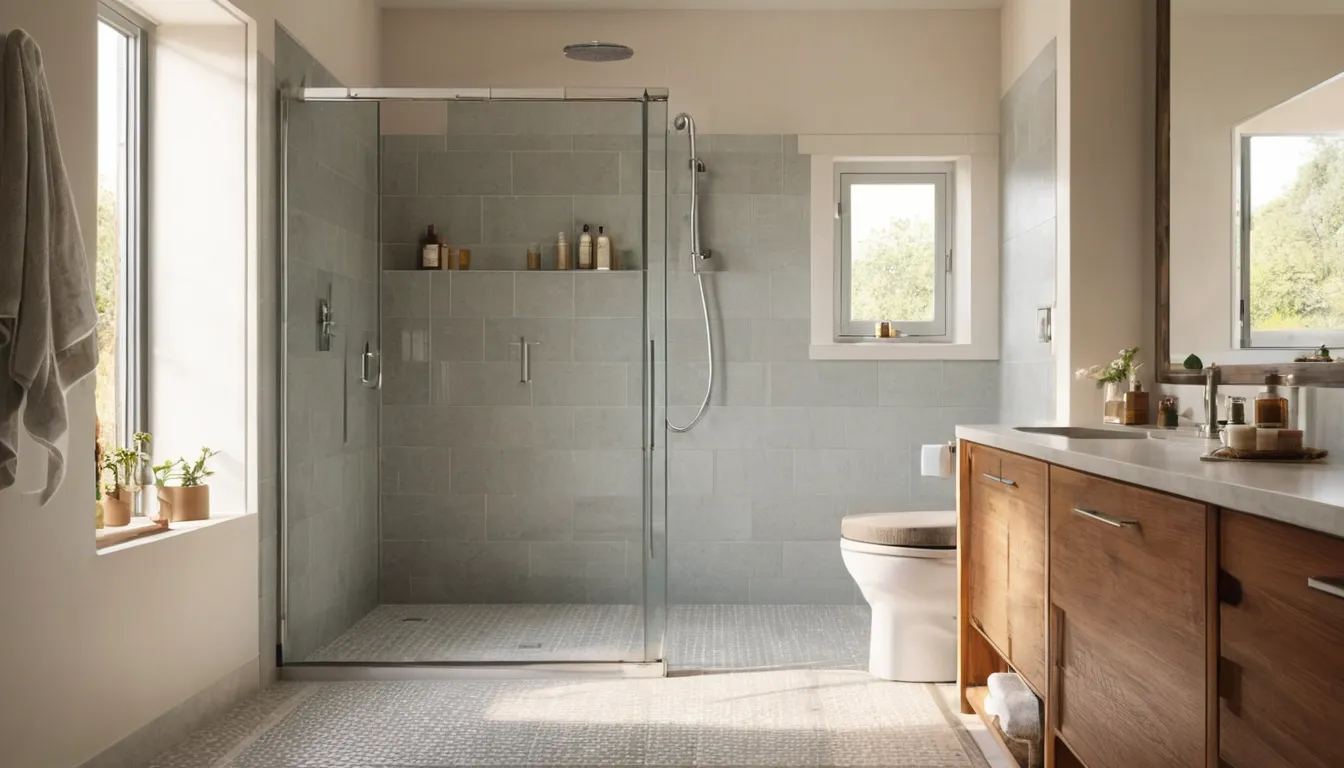
A walk-in shower lets you step in without lifting a leg over a tub wall. For many homeowners, that one change makes daily bathing calmer and safer. It can suit a sore knee, a stiff hip, or a plan to stay in your home for years. Some people think it means a hospital look. In practice, today's designs look like a clean, normal bathroom.
Agreedsub Walk-In Tubs is a referral service. Agreedsub Walk-In Tubs does not do the work. It connects homeowners in Plano and the Plano area with independent local providers in our network who handle the job. You can ask for a written quote, compare options, and choose what fits your bathroom and your budget. Good planning protects the room and the value of your home.
Why a walk-in shower is worth a look now
Most bathroom falls happen at the tub edge, on a wet surface, with one foot in the air. If stepping over that wall already feels risky, take that as your sign to act. Request a callback to check provider availability, then ask what a safe bathing conversion would look like in your bathroom.
A walk-in shower swaps the high wall for a low or flat entry. You walk in. You sit if you like. You walk out.
Myth: walk-in showers are only for later in life
A lot of people think this is a last-resort fixture. In practice, many homeowners add handicap accessible showers years early, because planning calmly beats planning after a fall. A bench, a wide opening and solid grab bar backing help with a sore knee, a tired back or a rough day. They help guests too, and they read as a smart feature to future buyers.
Low-threshold or curbless: what is the difference?
A low-threshold shower keeps a very short edge, often an inch or two, that holds water in. It fits most existing tub spaces and is simpler to build.
A curbless shower has no edge at all. The floor slopes gently to the drain. It is the easiest to walk or roll into, but it takes more planning, because the floor under it may need changes. In an older frame house, that can mean work between the joists. On a concrete slab, it can mean cutting into the floor. A provider should look at the space before suggesting either one.
Features that earn their place
Not every add-on is worth the money. These tend to matter most:
- A built-in or fold-down seat
- Wall blocking behind the tile or panels, so grab bars hold real weight
- A handheld shower head on a slide bar
- A textured floor that grips when wet
- A valve that guards against sudden hot water
- An opening wide enough for a walker or chair, if that fits your needs
Good lighting and a quiet exhaust fan are easy to forget. Put them on the list.
Prefab walls or tile?
Myth: prefab panels look cheap. Reality: modern panels come in clean, simple finishes with few seams. They go in faster and wipe down easily.
Tile looks custom and can match the rest of the room. It also takes more labor, more drying time and more grout to keep clean. Either choice works when the waterproofing behind it is done right. That hidden layer matters more than the surface.
What the installation involves
A typical tub replacement with a walk-in shower follows a clear path. The provider removes the old tub, checks the floor and wall framing for rot or soft spots, and adjusts the plumbing and drain. Next, the shower base goes in, the walls are built and sealed, the valve and fixtures are set, and the whole unit is tested for leaks.
Surprises usually hide behind the old tub. Ask how the provider handles damage found once the walls are open, and get it in writing.
How long does it take?
A simple prefab swap often takes a few days. Tile, curbless floors and plumbing changes can stretch to a week or two, partly because materials need time to set. Your timeline also depends on the provider's calendar and the condition of the room. Ask for a start window and an expected finish date.
Basements, older houses and rough seasons
Your house shapes the job. A basement bathroom may need a special drain setup, and the provider should plan around the sump pump and any flooding risk. Frame houses from many decades ago can have sagging floors or hidden rot around the old tub. Bungalows and ranch homes often have tight bathrooms, so the layout may need a second look.
Long, cold winters mean chilly walls and floors, so ask about warmer flooring or added insulation while the walls are open. Hot, humid summers mean moisture, so a good exhaust fan matters.
Done right, holds value
Buyers look for leaks, stains and soft floors. A dry, sound shower with neutral finishes helps your home. A rushed job with weak waterproofing does the opposite, and the repair bill can top the original price. Keep the quote, product details and any warranty papers from the provider. They help when you sell.
Keeping it clean and comfortable
Fewer seams mean less scrubbing. A quick squeegee after use and a running fan keep mildew away in humid months. Use cleaners the maker approves for your surface. Add a towel hook and a shelf at seated height so nothing needs a stretch.
Planning around the person
Who will use it every day? A tall person needs a higher shower head. Someone with a walker needs width and a clear floor. A caregiver may need room to stand beside the bather. If a long soak matters to the person, ask the provider to compare senior walk-in tubs too. A shower and a tub solve different needs.
Questions to ask the provider
- Will you check the floor and walls before giving a final price?
- Is the quote written, with materials and labor listed?
- How is the area behind the walls waterproofed?
- What happens if you find rot?
- How long will the job take, and who cleans up?
- What warranty papers do I receive?
What's Included
Low-Threshold Entry Options
Short-edge bases that fit many existing tub spaces, keep water in the stall, and make stepping in much easier.
Curbless Designs
A flat, gently sloped floor with no edge to catch a foot or a walker.
Seating and Grab Bars
Benches and properly backed grab bars give steady support while washing, resting, or getting ready to step out.
Prefab or Tiled Walls
Choose quick-fit panels or custom tile, with careful waterproofing behind either one to protect your walls and floor.
What Walk-In Showers Typically Cost
Price depends on the size of the space, the wall material you choose, and what turns up behind the old tub. These are typical U.S. ranges, not quotes. Get it in writing from the provider before work begins.
| Item | Typical range | Notes |
|---|---|---|
| Prefab walk-in shower in a tub space | $3,000 – $8,000 | Quicker build, fewer seams |
| Tiled walk-in shower | $6,000 – $15,000 | More labor and drying time |
| Curbless shower with floor work | $8,000 – $20,000 | Depends on joists or slab |
| Grab bars, installed | $150 – $600 | Needs solid wall backing |
| Plumbing or drain changes | $500 – $3,500 | Varies by house and layout |
| Glass door or enclosure | $400 – $2,500 | Curtain is a lower-cost option |
How It Works
Describe your bathroom
Share the room size, who will use the shower, and any mobility needs you want to plan around.
Get matched locally
Agreedsub Walk-In Tubs connects you with a provider in our network.
Review the written quote
Compare materials, labor and timeline before you decide to move forward.
The provider does the work
The provider handles removal, installation and final leak testing.
Why Call Agreedsub Walk-In Tubs
Plain, Honest Answers
Learn what a walk-in shower really involves before you speak with any local provider.
Independent Local Providers
Providers in our network are separate businesses that do the work in your area.
Written Quotes
Ask for itemized pricing in writing so you can compare before you decide.
No Obligation
Request an estimate and compare options with no pressure to go ahead.
Other Services
Need walk-in showers in Plano?
Tell us about your bathroom and the provider you are matched with will follow up. Request a callback to check availability, or request an estimate.
No obligationWalk-In Showers FAQ
How much does a walk-in shower cost?
Typical U.S. jobs run roughly $3,000 to $20,000, depending on prefab versus tile, curbless floors, and plumbing changes. Costs vary by home, so ask for a written quote that lists materials and labor.
Can a walk-in shower replace my bathtub?
Yes, in many bathrooms. A provider measures the space, checks the floor and plumbing, then explains what the tub replacement would need.
Does insurance pay for a walk-in shower?
Coverage varies. Many policies treat it as a home upgrade, though some programs may help in certain cases. Check your policy and plan, and ask the provider what paperwork they can supply.
Request a callback
Tell us about your bathroom and the provider you are matched with will follow up. Request a callback to check availability, or request an estimate.
No obligation